


-

Add: HeBei ShengShi HongBang Cellulose Technology CO.,LTD.
-

Email
13180486930@163.com -

CONTACT US
+86 13180486930
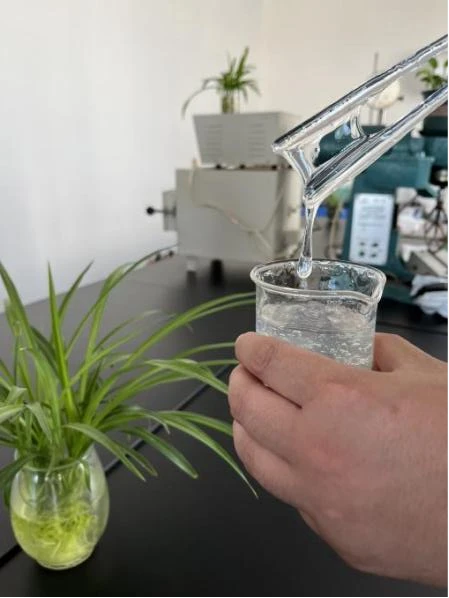
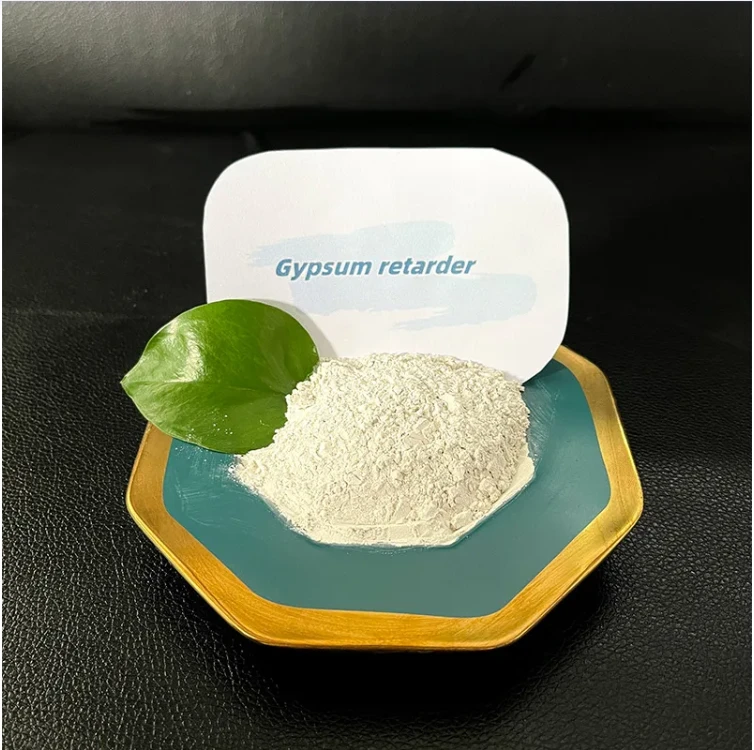


Hydroxypropyl starch phosphate is an increasingly popular ingredient in skincare products , and for good reason. This innovative compound combines natural starch with phosphate to enhance its functionality and benefit a myriad of skin types. Its rise in popularity is not just a fad; it's rooted in solid science and consumer experience. Derived primarily from natural sources like corn or potatoes, hydroxypropyl starch phosphate offers several advantages that align seamlessly with the needs of both consumers and formulators. Fundamentally, it serves as an exceptional texture enhancer in creams, lotions, and serums. Unlike traditional thickeners, it provides a silky-smooth finish that is often sought after in high-end skincare products. This means when applied, products feel luxurious and pampering, creating an indulgent experience that consumers love. In addition to texture enhancement, hydroxypropyl starch phosphate plays a crucial role in stabilizing emulsions, ensuring that oil and water components in skincare formulations do not separate over time. This stability is particularly important for multi-ingredient complex formulations, allowing active ingredients to remain evenly distributed, thus maximizing efficacy. Stability also translates to an extended shelf life, which is a significant consideration for both consumers and retail outlets. From a dermatological perspective, hydroxypropyl starch phosphate is non-irritating and safe for sensitive skin. Unlike some chemical thickeners and stabilizers, this starch derivative does not clog pores, making it an excellent choice for formulations targeted at acne-prone or reactive skin. Its ability to absorb excess oil without stripping the skin of essential moisture is another notable feature, making it suitable for oily skin types while maintaining a balance that is gentle enough for drier skin. Expertise in skincare formulation reveals that hydroxypropyl starch phosphate also aids in enhancing the delivery of active ingredients. Due to its molecular structure, it can help convey moisture deeper into the skin layers, optimizing the hydration properties of a product. This translates to improved performance of active ingredients, whether they are anti-aging, brightening, or soothing components. hydroxypropyl starch phosphate in skin care In the realm of experience, numerous skincare enthusiasts have praised products containing hydroxypropyl starch phosphate for their lightweight feel and non-greasy finish. These products tend to absorb quickly into the skin, leaving behind a velvety finish that preps the skin beautifully for makeup application or simply for a bare-skin glow. The real-life testimonials stand as a testament to the compound’s capabilities, further increasing its credibility among users who prioritize both efficacy and experience in their skincare regime. Authoritative research backs the safety and efficacy of hydroxypropyl starch phosphate, with numerous studies confirming its hypoallergenic properties and performance in enhancing skin feel and formulation stability. Regulatory bodies have approved its use globally, a mark of trust that allows consumers and formulators to incorporate this ingredient without reservation. The endorsement by dermatologists and skincare professionals further solidifies its standing in the industry, adding a layer of trustworthiness to its growing reputation. For a more sustainable approach to skincare, many conscious consumers will appreciate that hydroxypropyl starch phosphate is biodegradable. Derived from renewable resources, it aligns with the increasing demand for environmentally friendly beauty products. As the beauty industry progresses towards more sustainable practices, ingredients like hydroxypropyl starch phosphate not only meet the crucial functionality required by modern skincare but also support a sustainable future. Consumers keen on elevating their skincare routine should look for this innovative ingredient in their products. Brands that incorporate hydroxypropyl starch phosphate often showcase transparency and a commitment to quality, understanding the complex needs of today’s diverse skincare audience. As the understanding of this ingredient continues to evolve, more skincare products are expected to leverage its multifaceted benefits, making it a staple in high-performance skincare formulations. In conclusion, hydroxypropyl starch phosphate is more than just a functional ingredient; it is a bridge between efficacy and indulgence, expertly tailored for modern skincare needs. From improving product stability to enhancing the user experience, it represents a sophisticated advancement in the formulation of skincare products. With an impressive balance of credibility and innovation, this ingredient is set to remain an influential component in skincare regimens worldwide.
- 40000tons

Production
- 20+years

Experience
- 5000+㎡

Acreage

-
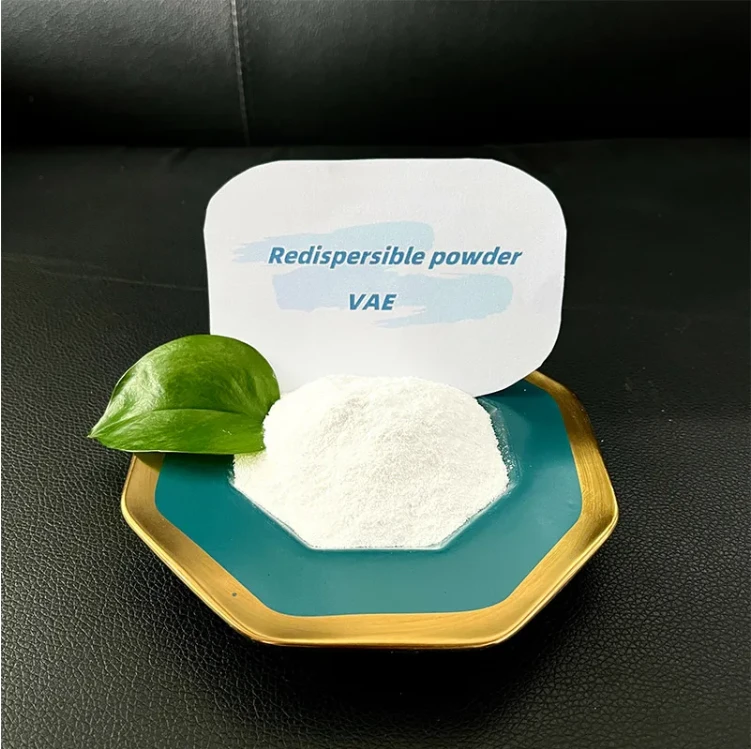
The Versatile Uses of Crumb Rubber Powder Crumb rubber powder, a product derived from the recycling of scrap tires, has gained significant attention in various industries due to its myriad applications and sustainable benefits. As environmental concerns surrounding waste management intensify, the value of repurposing discarded tires into useful materials becomes increasingly significant. This article explores the many uses of crumb rubber powder and highlights its advantages, particularly in paving, construction, and automotive industries. One of the most prominent applications of crumb rubber powder is in the manufacturing of asphalt. The integration of crumb rubber into asphalt mixtures enhances the performance and longevity of road surfaces. The elastomeric properties of rubber improve flexibility and resistance to cracking, particularly in extreme weather conditions. Moreover, crumb rubber-modified asphalt can reduce noise pollution and increase road durability, making it an environmentally friendly alternative to traditional asphalt. The Versatile Uses of Crumb Rubber Powder Another noteworthy application of crumb rubber powder is in the production of playgrounds and sports surfaces. When used in playground flooring, it offers a cushioned surface that significantly reduces the risk of injuries from falls. Its shock-absorbing qualities make it an ideal choice for various recreational facilities, including running tracks and athletic fields. Moreover, the use of crumb rubber in athletic surfaces improves traction and provides consistent playing conditions, contributing to better performance in sports. uses of crumb rubber powder The automotive industry also benefits from the incorporation of crumb rubber powder. It is utilized in the production of tires, inner linings, and various automotive components. By recycling old tires into new products, manufacturers not only contribute to waste reduction but also enhance the performance of their vehicles. The addition of crumb rubber improves the durability and lifespan of tires, ultimately leading to a more sustainable automotive industry. Furthermore, crumb rubber powder plays a role in filtration systems. Its porous structure allows it to be used effectively in air and water filtration applications. The rubber's ability to capture particulates makes it an ideal material for producing filters that improve air quality in various environments, from industrial settings to residential areas. This application highlights crumb rubber's versatility beyond conventional uses and its potential to contribute to public health. Despite its many benefits, the use of crumb rubber powder is not without its controversies. Concerns about potential health risks associated with the leaching of chemicals from crumb rubber, particularly in children’s play areas, have been raised. However, numerous studies have shown that properly processed crumb rubber does not pose significant health risks. Regulatory bodies continue to monitor and assess the safety of crumb rubber in various applications to ensure public safety. In conclusion, crumb rubber powder represents a sustainable and versatile material with a wide array of applications across multiple industries. From enhancing road surfaces to improving construction materials and contributing to safer play environments, its benefits are numerous. As the world moves towards more sustainable practices, the use of crumb rubber powder not only offers a solution to the growing problem of tire waste but also paves the way for innovative advancements. Embracing this eco-friendly approach can significantly contribute to resource conservation, making it a valuable addition to modern manufacturing and construction processes.
-
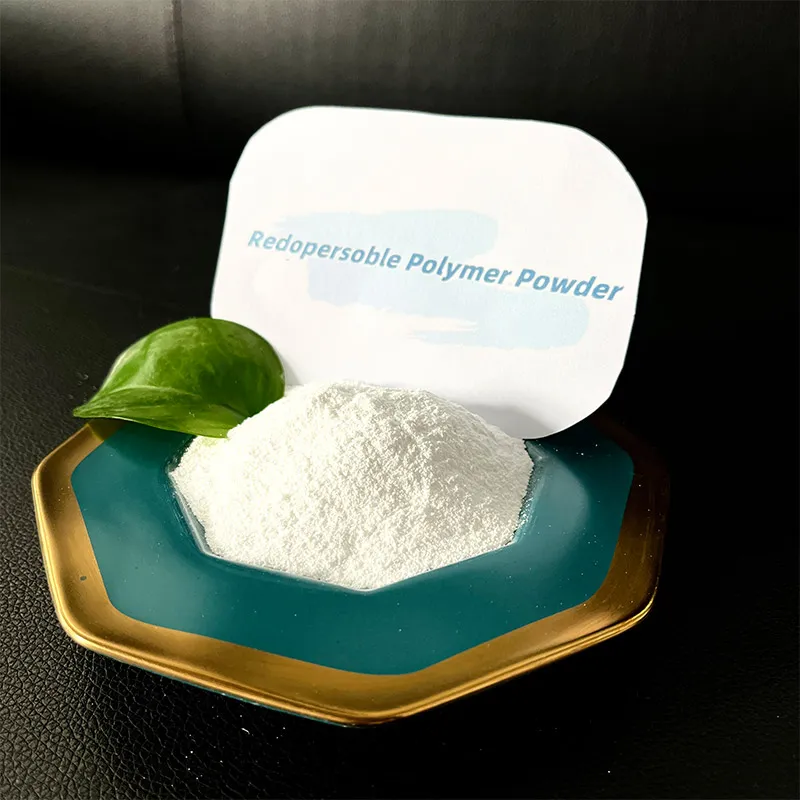
In today’s industrial landscape, sustainable material solutions drive innovation. Micronized rubber powder transforms waste tires into high-value commodities, revolutionizing sectors from construction to automotive manufacturing. As wholesale suppliers, we empower businesses with bulk quantities of engineered rubber powders, ensuring consistency through advanced dispersion techniques. This article explores production methodologies, diverse applications, and wholesale advantages of specialized rubber powders, positioning them as indispensable assets for large-scale operations. The Evolution and Production of Rubber Powder The genesis of rubber powder lies in repurposing end-of-life tires through ambient or cryogenic processing. Ambient grinding shreds tires mechanically, producing coarse particles ideal for asphalt modifiers. Conversely, cryogenic rubber powder production immerses tire fragments in liquid nitrogen at -80°C, making them brittle for precise pulverization. This method yields ultra-fine (40–100 mesh), high-purity powder with intact polymer chains, essential for premium applications like coatings or adhesives. For wholesale procurement, consistency is non-negotiable. Our quality assurance protocols include laser diffraction analysis and sieve testing, guaranteeing uniform particle distribution in bulk shipments. Partnering with tier-1 recyclers, we secure traceable raw materials to fulfill industrial-scale orders while adhering to ASTM D5603 standards. Diverse Industrial Rubber Powder Uses Rubber powder uses span industries, driven by versatility and cost-efficiency. In infrastructure, micronized rubber powder modifies bitumen, enhancing road durability and reducing cracking. Wholesale construction clients procure batches for highway projects, slashing material costs versus virgin polymers. The automotive sector leverages epdm rubber powder in molded components like seals and gaskets, where its ozone resistance extends product lifespans. Athletic facilities use cryogenic rubber powder in synthetic turf infills, benefiting from its allergen-free properties and impact absorption. For manufacturers, bulk integration reduces virgin EPDM consumption, aligning with circular economy mandates. Case studies highlight a European tire maker cutting waste costs using our powder in retreading compounds. Technical Advantages of Micronized and Cryogenic Variants Micronized rubber powder ’s surface morphology enables superior polymer bonding. Plasma treatment increases surface energy, allowing seamless integration into thermoplastics like PP or PE. For adhesives, powder enhances viscosity without solvents, a key selling point for eco-conscious bulk buyers. Meanwhile, cryogenic rubber powder excels in precision applications. Its low-temperature production preserves ethylene-propylene-diene terpolymer (EPDM) structures, yielding powders with contamination. Wholesale clients in aerospace utilize grades for vibration-damping components, where particle homogeneity ensures batch-to-batch reliability. Our dispersion protocols employ twin-screw extruders with shear zones optimized , achieving particle distribution uniformity—critical for injection molding clients ordering monthly volumes. Specialized Applications of EPDM Rubber Powder Epdm rubber powder dominates high-temperature and weathering-resistant applications. Its sulfur-free cross-linking withstands, making it ideal for under-hood automotive parts. Roofing manufacturers bulk-order pallets for single-ply membranes, where EPDM’s UV stability outperforms PVC alternatives by 2×. In industrial rubber goods, epdm rubber powder replaces virgin material in conveyor belts. Our micronized EPDM powders (60–120 mesh) feature controlled carbon black content for consistent vulcanization in wholesale compound production. A recent partnership with a railway supplier saw EPDM powder orders for noise-reduction pads, leveraging our just-in-time logistics network for port-side delivery. FAQs : Rubber Powder What distinguishes ambient rubber powder from cryogenic rubber powder ? Ambient grinding produces irregularly shaped particles suited for low-cost fillers. Cryogenic processing creates finer, spherical particles with oxidized surfaces for enhanced polymer bonding. How does micronized rubber powder enhance asphalt performance? It forms a polymer network within bitumen, improving elasticity and reducing temperature susceptibility. This extends pavement lifespan by years and lowers wholesale maintenance costs. Can epdm rubber powder replace virgin EPDM in seals? Yes, at loading. It maintains tensile strength and compression set resistance while reducing material costs for bulk buyers. What industries prioritize cryogenic rubber powder ? High-spec sectors like automotive (NVH components), medical (hypoallergenic flooring), and precision molding, where particle sizes microns ensure defect-free surfaces. Are there volume discounts for bulk rubber powder uses ? Absolutely.Blended pallet options combining epdm rubber powder and micronized rubber powder .
advantages
-

200000 Viscosities
Excellent product
We can produce pure products up to 200,000 viscosities
-

40000 tons
High yield
We don’t stop production all year round, and the annual output can reach 40,000 tons
-

24 hours
Quality service
We provide 24-hours online reception service, welcome to consult at any time
———— Inquiry Form
Schedule A services
-
 comprar_hpmc
Oct . 25, 2025
Man-made synthetic fibers have revolutionized the textile industry by offering versatile, durable, a -
 wire_mesh_for_cement
Oct . 25, 2025
The Versatile Uses of Crumb Rubber Powder Crumb rubber powder, a product derived from the recycling -
 hpmc_15
Oct . 25, 2025
The journey of synthetic fibers began with an innovation that changed the textile industry forever t


